
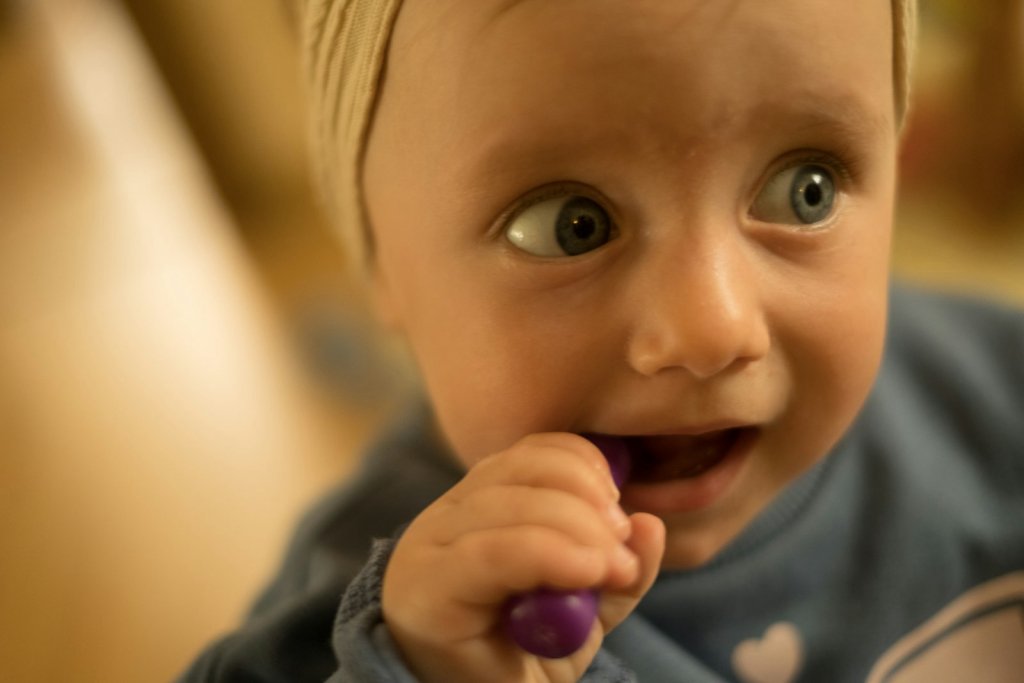
Most babies cut their first tooth around six months old, and by their third birthday they’ll have a complete set of twenty primary teeth — a process that unfolds gradually over nearly three years, not in one dramatic week. That longer timeline surprises a lot of parents bracing for a short, contained ordeal. In reality, teething tends to arrive in waves, and knowing which baby teething remedies actually help — and which popular ones aren’t worth the risk — makes those waves considerably easier to ride out.
A Timeline Longer Than Most Parents Expect
Teething typically begins between four and seven months, though it’s genuinely normal for a first tooth to appear as early as three months or as late as twelve. The bottom front teeth (central incisors) usually arrive first, followed by the top front teeth, then work outward toward the molars over the following two to three years. Because teeth tend to erupt in clusters rather than one at a time, some stretches — particularly when the back molars come in around age two — can bring several uncomfortable days in a row, while other teeth arrive with barely a complaint.
What Teething Actually Causes (and What It Doesn’t)
The real symptoms of teething are fairly limited: drooling, a mild rash around the mouth from that extra drool, increased chewing and gnawing, and some fussiness or disrupted sleep in the day or two before a tooth breaks through — the same kind of temporary disruption we cover in our guide to baby sleep habits, which holds up well during a rough teething stretch too. What teething doesn’t reliably cause, according to HealthyChildren.org, is a true fever, diarrhea, or vomiting — despite how often those symptoms get blamed on an emerging tooth. Teething and this age range simply overlap: it’s also when a baby’s inherited immunity starts fading and they’re mobile enough to put everything in their mouth, which is a much more likely explanation for an actual illness happening around the same time.
Safe Baby Teething Remedies Worth Trying
The good news is that the baby teething remedies with the best track record are also the simplest:
- Chilled (not frozen) teething rings or a clean, cold washcloth. Cold helps numb inflamed gums, and the counter-pressure from gentle chewing offers real relief. Keep items cold rather than solid-frozen, since fully frozen items can be too hard on delicate gum tissue.
- Gentle gum massage. Gently pressing a clean finger against the gums for a minute or two brings quick, if temporary, comfort by applying counter-pressure against the tooth pushing up.
- Firm, solid teething toys. Silicone or rubber teethers made for the purpose — not household items, which can harbor bacteria or break apart — give babies a safe outlet for the urge to chew.
- Extra comfort and closeness. More cuddling, a slower pace, and a bit of extra patience during a rough stretch aren’t a “remedy” in the clinical sense, but they genuinely help a fussy, overtired baby settle.
- Age-appropriate pain relief, when needed. For a particularly rough night, your pediatrician may recommend an appropriate dose of infant acetaminophen or ibuprofen (for babies old enough for ibuprofen) — check with them first rather than guessing at a dose.
What to Avoid
Not every product marketed for teething is safe. Numbing agents like benzocaine or lidocaine, found in some teething gels, can cause serious side effects and, according to Cleveland Clinic, have prompted regulatory warnings over a rare but serious blood condition in infants — with no real evidence they work better than simpler options anyway. Amber teething necklaces are worth skipping too: beyond lacking evidence that they relieve pain, they carry a real choking and strangulation risk that outweighs any theoretical benefit. When in doubt, a cold washcloth and a bit of gentle gum massage outperform most products sold specifically for teething, without any of the added risk.
Starting Oral Care Early
Teething is also a natural cue to begin oral care, even before a full set of teeth arrives. Wiping a baby’s gums with a soft, damp cloth after feedings — even before teeth erupt — helps build the habit early, and switching to a soft, age-appropriate toothbrush with a rice-grain smear of fluoride toothpaste once the first tooth appears keeps it going. Scheduling a first dental visit by their first birthday, or within six months of the first tooth coming in, gives a dentist the chance to catch anything worth addressing early and gets your child comfortable with dental visits well before it’s urgent.
This is educational content, not medical advice — consult your pediatrician or pediatric dentist for guidance specific to your baby’s teething and oral health.
FAQs
How long does teething discomfort usually last for each tooth?
Discomfort around a single tooth is typically most noticeable for a few days before it breaks through the gum, then eases quickly once it has emerged. Some babies show almost no signs at all for certain teeth, while molars — which are larger — tend to cause a longer, more noticeable stretch of fussiness.
Is it true that teething can cause a fever?
Teething may cause a very slight rise in temperature, but it doesn’t cause a true fever of 100.4°F or higher. A real fever during a teething stretch is more likely coincidental than caused by the tooth itself, and it’s worth having your pediatrician evaluate it rather than assuming it will pass on its own.
Are teething necklaces or bracelets safe to use?
No — amber teething necklaces and similar jewelry carry real choking and strangulation risks and haven’t been shown to actually relieve teething pain. Chilled teething rings and supervised gum massage are safer options with a much better track record.
My baby is eating less during a teething stretch. Should I be worried?
A temporary dip in appetite during a rough teething day or two is common and usually resolves once the discomfort eases. If reduced eating lasts more than a couple of days, involves signs of dehydration, or comes with a real fever, that’s worth a call to your pediatrician rather than assuming it’s teething alone.
When should I start brushing my baby’s teeth?
As soon as the first tooth appears, using a soft, age-appropriate toothbrush and a rice-grain-sized smear of fluoride toothpaste, twice a day. Before that first tooth, gently wiping the gums with a damp cloth after feedings helps build the habit early.
A Long Process, Made Easier One Stretch at a Time
Teething isn’t a single hard week to survive — it’s a gradual process that stretches across most of your baby’s first three years, arriving in short, manageable bursts rather than one continuous ordeal. Reaching for the baby teething remedies with real evidence behind them, skipping the ones worth avoiding, and starting gentle oral care early will get you and your baby through it more comfortably than any single miracle product promises to.


