
Is it better to lose weight quickly and get it over with, or slowly and steadily? Most of us have felt the pull of the first option, especially when a scale number feels urgent. But the evidence points the other way. Understanding a healthy weight loss pace can save you frustration, protect your energy, and make it far more likely that the results stay with you.
What the CDC Says About Pace
The Centers for Disease Control and Prevention notes that people who lose weight at a gradual, steady pace, about 1 to 2 pounds a week, are more likely to keep it off. You can read the details on the CDC’s page on losing weight. That number isn’t a rule for every person or every week, and individual needs vary, but it’s a useful reference point when a plan promises something much faster.
Why Slower Tends to Last Longer
Fast results often come from approaches that are hard to sustain: very low calorie intake, cutting out entire food groups, or exercise routines that leave you drained. When life interrupts, as it always does, the whole structure can collapse and old habits return. A gentler pace usually means changes small enough to become ordinary. That’s the idea behind the sustainable weight loss habits we’ve covered before.
Signs Your Plan May Be Too Aggressive
Pace is only part of the picture. Pay attention to how you feel along the way. You might be pushing too hard if you notice:
- Constant fatigue, dizziness, or trouble concentrating.
- Strong food preoccupation or frequent cycles of restricting and overeating.
- Poor sleep or low mood that wasn’t there before.
- Exercise that feels like punishment instead of something supportive.
If any of these sound familiar, it’s worth easing back and talking with a healthcare provider or registered dietitian.
Why the Scale Doesn’t Move in a Straight Line
Daily weight swings of a pound or two can come from water, salt, hormones, digestion, or a tough workout. That’s why many people find it more useful to look at trends over a few weeks than to react to a single morning. Measurements, how your clothes fit, and your energy levels can tell you things the scale can’t.
Habits That Support Steady Progress
Build Strength Along the Way
Muscle helps your body use energy efficiently and supports you as you lose fat. Our guide to strength training for weight loss explains how to start without needing a gym.
Make Movement Enjoyable
If you dread your workout, you won’t keep doing it. Brisk walks are a gentle place to begin, and our post on walking for weight loss looks at what the research shows.
Fill Your Plate With Foods That Satisfy
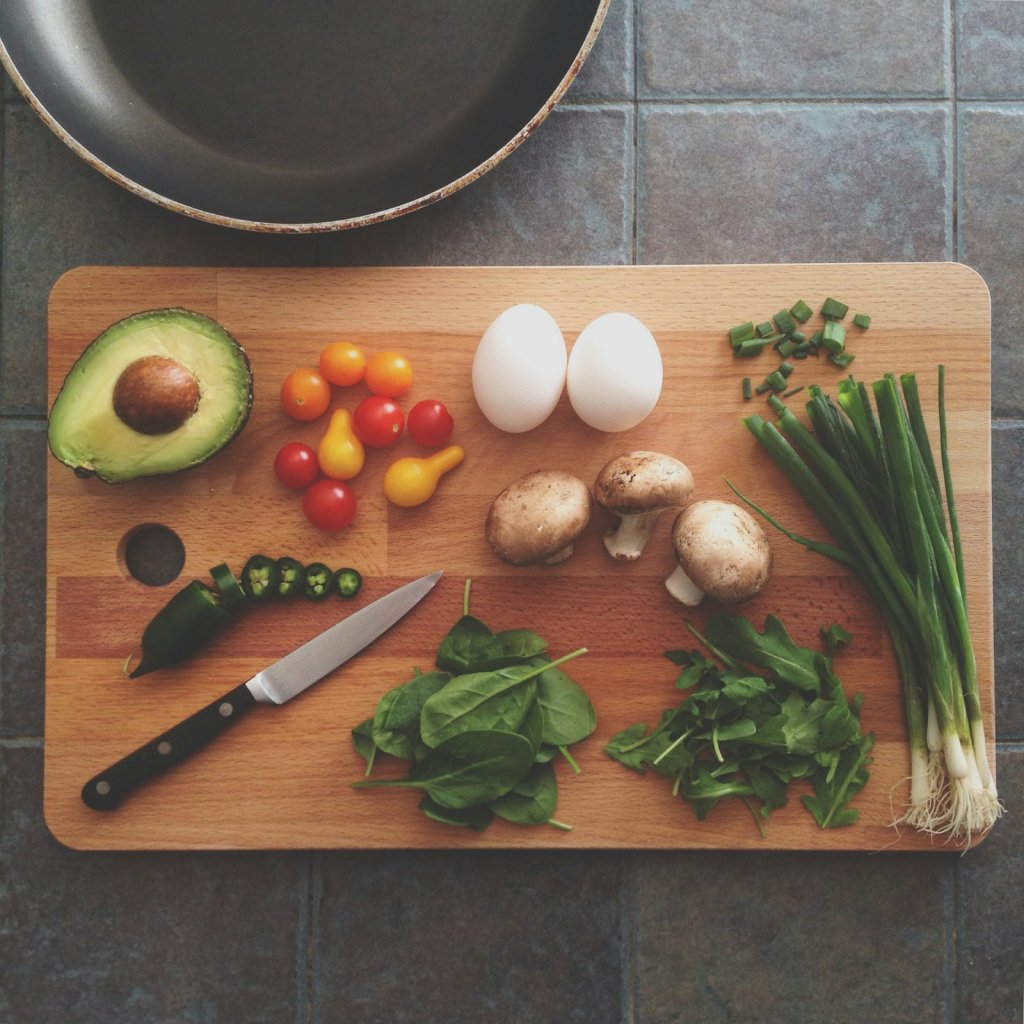
Vegetables, fruit, beans, whole grains, and lean proteins tend to keep you full for longer. Rather than banning foods, think about what you can add to meals.
FAQs
Is it normal to lose more than 2 pounds in the first week?
Yes, it can happen. Early drops are often partly water weight, especially when you change your eating pattern. The 1 to 2 pounds per week figure from the CDC is better viewed as a pattern over time than a weekly target.
What if I lose weight more slowly than that?
Slower progress is still progress. Plateaus and slow weeks are common, and a pace of half a pound a week adds up over months. If you’ve stalled for a long time, a conversation with your healthcare provider can help rule out other factors.
Does losing weight slowly make it easier to keep off?
According to the CDC, gradual and steady loss makes people more likely to maintain their results. A likely reason is that slower approaches rely on habits you can realistically keep.
Should I aim for a specific number each week?
Some people find a range helpful, but a number shouldn’t override how you feel. Focus on routines you can repeat, such as regular meals, daily movement, and sleep, and let the numbers follow.
Let the Timeline Work for You
A healthy weight loss pace can feel unexciting, and that’s part of its strength. Progress that fits comfortably into your life is progress you can keep making. If you’re not sure what pace suits your body, a doctor or registered dietitian can help you set goals that match your health, medications, and history.
This is educational content, not medical advice. Please consult a healthcare provider for personal guidance.


