
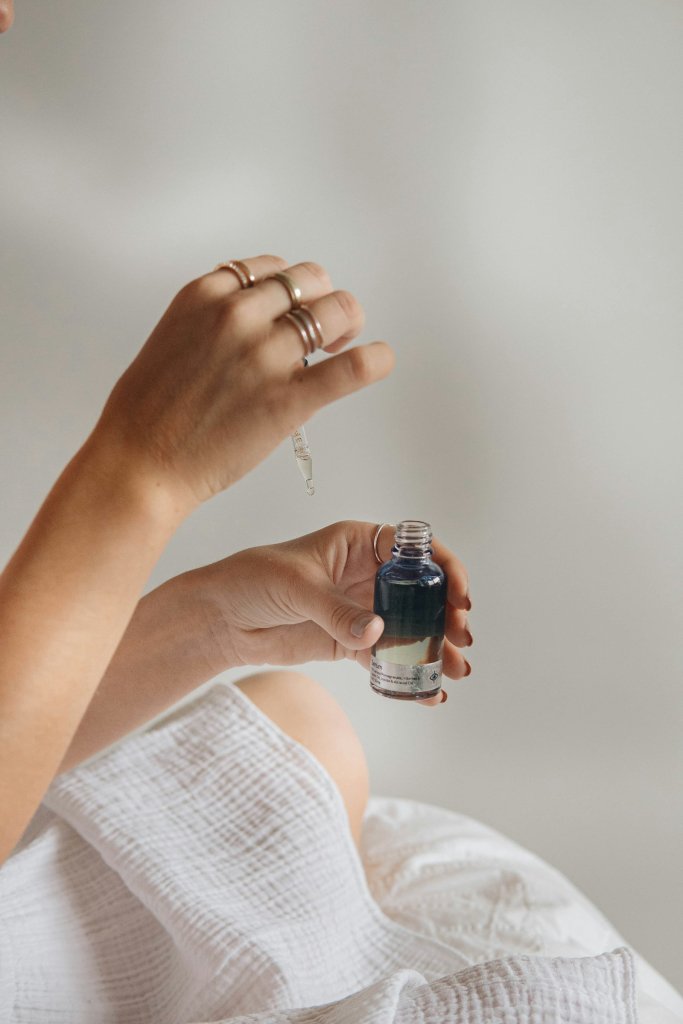
It shows up on serums, creams, cleansers, even sheet masks, and the name sounds more intimidating than it is. Hyaluronic acid for skin is one of the most common ingredients on a moisturizer label, yet many people aren’t sure what it’s doing there. Is it a miracle worker, a marketing buzzword, or something in between? Let’s take the questions one at a time.
What Is Hyaluronic Acid, Exactly?
Hyaluronic acid is a substance found naturally in the body, including in the skin, where it helps hold water. In skincare products it’s used as a humectant, an ingredient that attracts and holds moisture at the skin’s surface. That’s why it often appears in products aimed at dry or dull-looking skin.
It’s worth keeping expectations realistic. A hyaluronic acid product can make skin feel plumper and more comfortable, but it is a moisturizing ingredient, not a treatment for a skin condition. Despite the word “acid,” it isn’t an exfoliant like the glycolic or salicylic acids you may have heard about.
What Dermatologists Say About Moisturizing Ingredients
The American Academy of Dermatology suggests choosing a cream or ointment that contains ingredients such as hyaluronic acid, glycerin, dimethicone, jojoba oil, lanolin, mineral oil, petrolatum, or shea butter. It also notes that ointments and creams add more moisture than lotions, and recommends products labeled “fragrance-free,” since “unscented” products can still contain chemicals that mask odors and may irritate dry, sensitive skin.
Notice that hyaluronic acid is one option on a list, not the only hero. A product that pairs a humectant with a richer ingredient to seal moisture in often does a better job than a watery serum alone.
How to Use It Well
Apply It to Damp Skin
The AAD advises moisturizing while your skin is still damp after bathing and after washing your hands. Because humectants draw in water, giving them some to work with makes sense. Pat your face dry lightly, leaving it slightly moist, then apply.
Follow With a Cream
If you use a hyaluronic acid serum, layer a moisturizer over it. Without that second step, some of the moisture can simply evaporate, which can leave skin feeling tighter instead of softer. If your skin feels especially stripped, our guide to skin barrier repair explains how to rebuild the protective layer.
Keep the Rest of the Routine Simple
You don’t need ten products. A gentle cleanser, a moisturizer, and daily sunscreen cover the essentials, and our natural skincare routine shows how to build that without overcomplicating things. Sunscreen matters here too, because hydrated skin still needs protection; see sun protection habits for easy ways to make it stick.
Who Should Be Cautious?
Hyaluronic acid is generally well tolerated, but any product can irritate, and the other ingredients in a formula are often the culprit. Try a new product on a small patch of skin first, such as the inner forearm, for a few days. Stop using anything that stings, burns, or causes redness. If you have eczema, rosacea, or another skin condition, it’s best to ask a dermatologist before adding new products.
FAQs
Can I use hyaluronic acid every day?
Most people use it once or twice a day as part of a regular routine, since it’s a gentle moisturizing ingredient rather than an exfoliant. Follow the directions on your product and scale back if your skin reacts.
Does hyaluronic acid work for oily or acne-prone skin?
Oily skin can still be dehydrated, so a lightweight, fragrance-free formula may be useful. Look for labels that say non-comedogenic, and introduce one new product at a time so you can tell what your skin likes.
Is a serum better than a cream with hyaluronic acid?
Not necessarily. According to the AAD, creams and ointments are more effective at adding moisture than lotions, so a cream containing hyaluronic acid can be a perfectly good one-step choice. A serum is an optional extra, not a requirement.
Will hyaluronic acid erase wrinkles?
No. Moisturized skin can look smoother and plumper for a while, which softens the look of fine lines, but a topical product doesn’t remove wrinkles. Sun protection and consistent skin care are the habits that support skin over time.
Worth It, With Realistic Expectations
Hyaluronic acid is a useful, gentle ingredient when it’s paired with sensible habits: damp skin, a sealing cream, fragrance-free formulas, and daily sunscreen. If a product helps your skin feel comfortable, keep it. If it doesn’t, you’ve lost nothing by moving on.
This is educational content, not medical advice. Please consult a healthcare provider for personal guidance.


