
Two snacks can hold the same number of calories and leave you in completely different places an hour later: one has you reaching for the pantry again, the other carries you comfortably to dinner. The difference is satiety, a word nutrition experts use for how full a food makes you feel and for how long. Understanding which foods that keep you full are worth keeping around can take a lot of the guesswork out of everyday eating.
This isn’t about willpower or strict rules. It’s about stacking the odds in your favor so that hunger doesn’t catch you off guard. Here’s what’s worth knowing.
Why Some Foods Fill You Up Longer
According to a Mayo Clinic Minute feature, Dr. Donald Hensrud explains that proteins and fats are processed more slowly than carbohydrates, so they can give us more satiety. In practical terms, filling up on these foods may make you less likely to overeat less-nourishing options later.
That doesn’t mean carbs are the enemy. It simply means a plate built around only quick-digesting carbohydrates may leave you hungry sooner than one with a partner alongside it.
Everyday Foods That Help
The Mayo Clinic piece highlights a range of everyday choices, including:
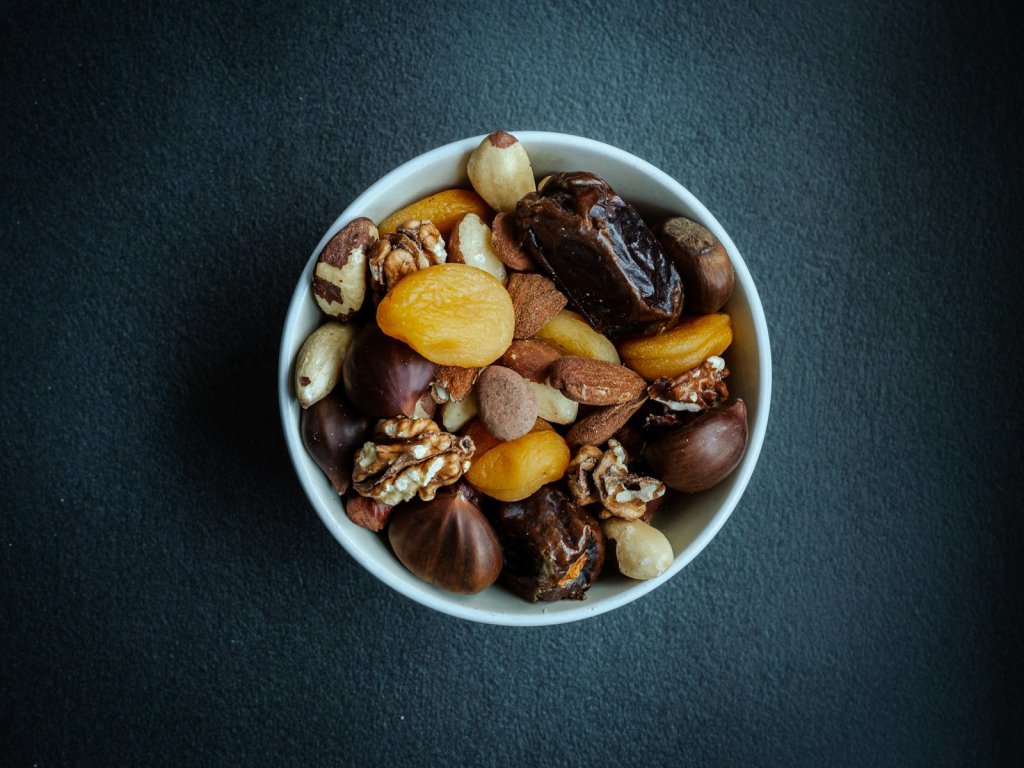
- Nuts, a handy filling snack because they contain both protein and fat
- Lean meats such as chicken, and fatty fish like salmon
- Eggs and yogurt
- Broccoli
- Olive oil and avocados
It even mentions dark chocolate as a satisfying option when you want something sweet. If you’re curious how protein fits into a wider eating pattern, our article on protein and weight loss goes deeper.
Don’t Forget Fiber
Fiber-rich plant foods, such as vegetables, beans, lentils, oats, and fruit, add bulk to meals and tend to be eaten more slowly, which many people find helps them feel satisfied. While the Mayo Clinic feature focuses on protein and fat, fiber is a sensible third pillar. Our guide to fiber and gut health explains how much you may need and how to increase it without discomfort.
Putting It Together on Your Plate
You don’t need a formula, but a simple pattern works for many people: pick a protein or healthy fat, add a high-fiber plant food, and round it out with whatever else you enjoy. A few examples:
- Plain yogurt with berries and a spoonful of nuts
- Eggs with sautéed vegetables and a slice of whole-grain toast
- A salmon fillet with roasted broccoli and a small portion of rice
- Lentil soup with a drizzle of olive oil
Eating slowly helps too. Fullness signals take time to catch up, and our piece on mindful eating offers gentle ways to notice them.
FAQs
Do I need to avoid carbohydrates to feel full?
No. Carbohydrates are a normal, useful part of eating. Pairing them with protein, healthy fat, or fiber, such as fruit with yogurt or whole-grain toast with eggs, usually helps a meal last longer than carbohydrates alone.
Is feeling hungry between meals a bad sign?
Not at all. Hunger is a normal body signal. If you’re hungry soon after meals most days, though, it may be worth adding more protein, fiber, or healthy fat to those meals, and making sure you’re eating enough overall.
Are nuts too high in calories to snack on?
Nuts are energy-dense, so portion size matters, but a small handful is a classic filling snack because of their protein and fat. If portions are a concern, measure out a serving into a small bowl instead of eating from the bag.
Can drinking water help me feel full?
Sometimes thirst and hunger feel alike, and a glass of water is a reasonable first step. It isn’t a substitute for balanced meals, though, so treat it as a helpful habit rather than a fix.
Build Meals That Last
Rather than white-knuckling your way past cravings, set yourself up with meals and snacks that do the work for you. Keep a few filling staples within reach, add a protein or fiber partner to carb-heavy foods, and notice how different combinations feel. You’ll soon learn which ones carry you the furthest.
This is educational content, not medical advice. Please consult a healthcare provider or registered dietitian for personal guidance.


