

One gentle and natural way to support digestive balance is through probiotic-rich foods. Including probiotic foods for gut health in your daily meals can help create a more supportive environment for digestion over time.
This article explores what probiotic foods are, how they support gut health, and simple ways to include them as part of a balanced lifestyle.
What Are Probiotic Foods?
Probiotic foods are foods that contain beneficial live microorganisms, usually created through fermentation. These friendly bacteria support the natural balance of the gut by adding diversity to the digestive system’s microbial community.
Unlike supplements, probiotic foods also provide nutrients, enzymes, and fiber that work together to support digestion in a more natural way. This makes them a popular choice for those looking to support gut health through everyday eating habits.
How Probiotic Foods Support Gut Health
The digestive system relies on a balanced gut environment to function comfortably. Probiotic foods for gut health help support this balance by encouraging healthy microbial activity.
When included regularly, probiotic foods may support:
- Digestive comfort after meals
- Nutrient absorption
- A more balanced gut environment
- Overall digestive rhythm
These foods work best when paired with mindful eating, hydration, and consistent daily routines.
Best Probiotic Foods for Gut Health
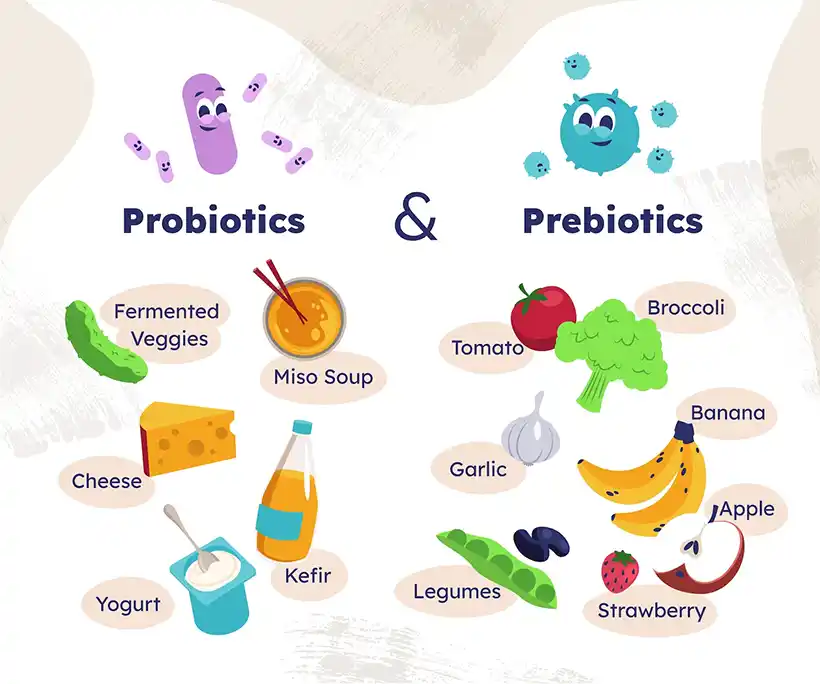
There are many natural, accessible foods that contain probiotics. Including a variety of these foods can help support gut balance over time.
Yogurt with Live Cultures
Yogurt is one of the most common probiotic foods. Look for yogurt labeled with “live and active cultures” and minimal added sugars. Enjoy it on its own or paired with fruit and nuts.
Kefir
Kefir is a fermented milk drink with a thinner consistency than yogurt. It contains a wide variety of beneficial bacteria and can be consumed on its own or blended into smoothies.
Sauerkraut
Made from fermented cabbage, sauerkraut is rich in probiotics and easy to add to meals. Choose raw, unpasteurized versions to ensure live cultures are present.
Kimchi
Kimchi is a traditional fermented vegetable dish that offers both probiotics and flavor. It can be added to rice dishes, bowls, or enjoyed as a side.
Miso
Miso is a fermented soybean paste commonly used in soups and sauces. Adding miso to warm (not boiling) dishes helps preserve its beneficial bacteria.
Tempeh
Tempeh is a fermented soybean product with a firm texture. It provides probiotics along with plant-based protein, making it a filling addition to meals.
How to Add Probiotic Foods to Your Daily Diet
Incorporating probiotic foods doesn’t have to be complicated. Small, consistent additions often work better than sudden changes.
Simple ideas include:
- Adding yogurt or kefir to breakfast
- Including sauerkraut or kimchi with lunch or dinner
- Using miso in soups or dressings
- Replacing processed snacks with fermented food options
Listening to your body and starting slowly can help make the process more comfortable.
Probiotic Foods vs. Probiotic Supplements
Both probiotic foods and supplements are commonly used to support gut health. However, food sources offer additional benefits such as fiber, vitamins, and minerals.
Probiotic foods:
- Are part of everyday meals
- Provide multiple nutrients
- Support mindful eating habits
Supplements may be useful for convenience, but they work best when paired with healthy food choices and lifestyle habits.
Lifestyle Habits That Support Probiotic Foods
Gut health is influenced by more than diet alone. Probiotic foods are most effective when supported by balanced daily habits.
Helpful habits include:
- Eating slowly and without distractions
- Staying hydrated
- Managing daily stress
- Including fiber-rich foods alongside probiotics
- Maintaining regular meal times
These habits create a supportive environment for digestion and overall well-being.
How Long Does It Take to Notice Changes?
There is no fixed timeline when including probiotic foods. Some people notice subtle digestive comfort within a few weeks, while others may take longer. Changes are often gradual and gentle.
Consistency, patience, and balance are key when supporting gut health naturally.
FAQ’s
Q1: What are probiotic foods?
Probiotic foods are fermented foods that contain beneficial live microorganisms. These foods help support a balanced gut environment and are commonly included as part of a mindful, digestion-friendly diet.
Q2: Which probiotic foods are best for gut health?
Common probiotic foods for gut health include yogurt with live cultures, kefir, sauerkraut, kimchi, miso, and tempeh. Including a variety of fermented foods can help support gut balance over time.
Q3: How often should probiotic foods be eaten?
Many people include probiotic foods daily or several times a week as part of a balanced routine. Consistency and moderation are key when supporting gut health naturally.
Q4: Are probiotic foods better than supplements?
Probiotic foods and supplements both support gut health in different ways. Foods offer additional nutrients and encourage mindful eating, while supplements provide convenience. The best choice depends on personal preference and lifestyle.
Q5: How long does it take to notice changes from probiotic foods?
There is no fixed timeline. Some people notice subtle digestive comfort within a few weeks, while others may take longer. Benefits are often gradual and supported by consistent habits.
Final Thoughts
Including probiotic foods for gut health is a simple and natural way to support digestion as part of a balanced lifestyle. By choosing fermented foods, practicing mindful eating, and maintaining supportive daily habits, you can encourage a healthier relationship with your digestive system over time.
Gut health is a journey built on small, consistent choices — and probiotic foods can be a nourishing part of that journey.


