
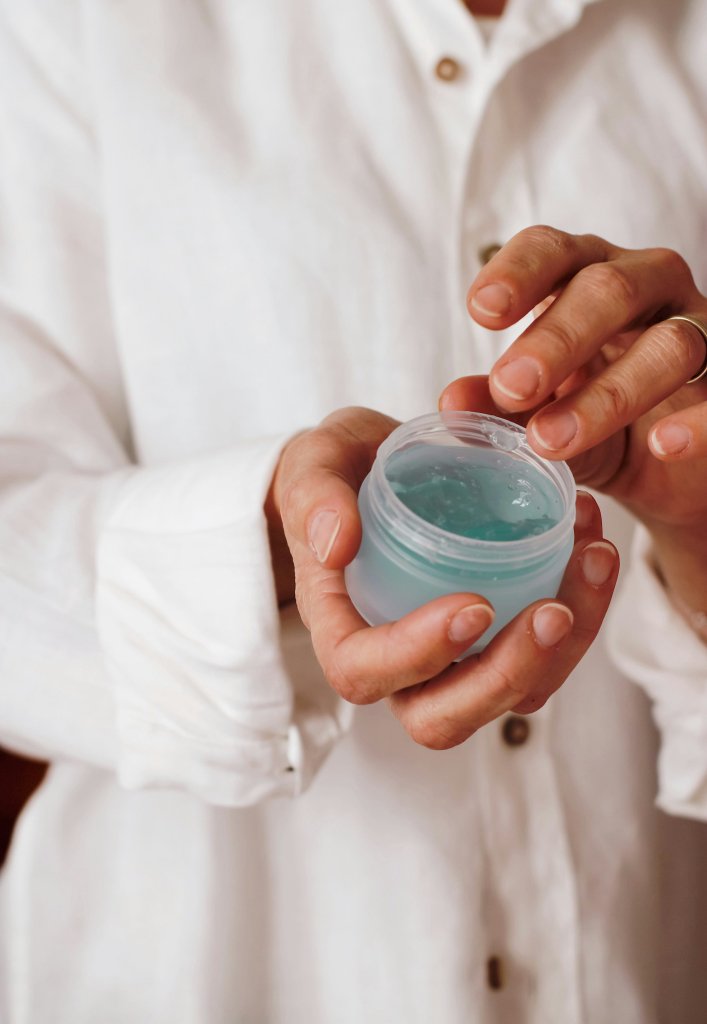
More products isn’t always the fix. In fact, a crowded routine — a new acid one week, a stronger retinol the next, an extra cleanse “just to be thorough” — is one of the most common ways people end up with skin that stings, feels tight, and reacts to everything. What’s usually happening underneath isn’t a new problem at all. It’s a damaged skin barrier, and it often needs less, not more, to heal.
What the Skin Barrier Actually Does
Your skin barrier is the outermost layer of skin, made up of skin cells held together by a mix of lipids — ceramides, cholesterol, and fatty acids — often described as a “brick and mortar” structure. According to Cleveland Clinic, this barrier has one core job: keeping moisture in and irritants, allergens, and bacteria out. When skin barrier repair is needed, it’s usually because that structure has been worn thin faster than the body can rebuild it.
What Actually Damages It
A few everyday habits are common culprits, and most people are doing at least one without realizing it: over-exfoliating (acids, scrubs, or exfoliating brushes used too often), long hot showers that strip natural oils, harsh sulfate-based cleansers, skipping moisturizer after actives, and extended sun or wind exposure without protection — something our sun protection habits guide covers in more depth. Stress plays a role too; the same hormonal chain we describe in our piece on the stress and skin connection can measurably weaken barrier function on its own, independent of anything applied topically.
Signs Worth Paying Attention To
A compromised barrier tends to show up as persistent tightness, stinging when you apply products that never used to sting, flaking or rough texture, redness, and skin that seems to react to everything at once. None of these signs point to one specific condition on their own — they’re worth noticing and responding to, not diagnosing yourself with, especially if they’re new or worsening.
Natural Ways to Support Skin Barrier Repair
Simplify Before You Add Anything
The instinct when skin looks unhappy is often to add a new product. For barrier repair, the opposite usually helps more: strip the routine down to a gentle cleanser and a fragrance-free moisturizer, and pause actives (retinoids, exfoliating acids, high-percentage vitamin C) until the stinging and tightness resolve. Our guide to a simple natural skincare routine is a reasonable baseline to return to during this stretch.
Choose a Moisturizer That Matches the Job
Not all moisturizers rebuild a barrier equally. The American Academy of Dermatology recommends looking for ceramides, hyaluronic acid, and glycerin — ingredients that either mimic the barrier’s own structure or draw and hold water in the skin — and applying moisturizer while skin is still damp to lock in more hydration.
Turn Down the Water Temperature
Hot water feels good but strips the same lipids you’re trying to preserve. Lukewarm water for both washing your face and showering, plus shorter shower times, is a small change that adds up, especially in dry winter months.
Feed Skin From the Inside, Too
Topical care matters, but so does what supports skin structurally over time — healthy fats, adequate protein, and hydration all play a role in how well skin holds moisture and repairs itself. If you want the fuller picture, our post on nutrition for healthy skin goes into which foods make the most difference.
Give It Actual Time
A healthy barrier typically renews itself over roughly two to four weeks, and visible improvement in tightness or sensitivity often takes at least that long with consistent, gentle care. Switching products every few days to “see what works” usually resets the clock rather than speeding it up.
When to See a Dermatologist
If sensitivity, redness, or discomfort persists for several weeks despite simplifying your routine, or if you notice signs of infection (increasing pain, warmth, oozing), it’s time to see a dermatologist rather than keep testing products on your own. Some causes of barrier disruption, like eczema or a reaction to a specific ingredient, need more than at-home skin barrier repair and benefit from a professional diagnosis and a treatment plan tailored to your skin.
This is educational content, not medical advice — consult a healthcare provider or dermatologist for guidance specific to your skin.
FAQs
How do I know if it’s barrier damage versus just naturally dry skin?
Dry skin is usually consistent and predictable, while a damaged barrier often brings sudden new sensitivity — products you’ve used for months start to sting, or skin reacts unpredictably to things that never bothered it before. If regular moisturizing isn’t resolving the dryness within a couple of weeks, barrier damage is a more likely explanation.
Can I still use active ingredients like retinol while repairing my skin barrier?
It’s generally best to pause actives until the stinging, tightness, and redness calm down. Reintroducing them one at a time, at a lower frequency, once the barrier feels more stable gives you a clearer sense of how your skin actually tolerates each product.
Do natural oils help repair a damaged skin barrier?
Some, like squalane or sunflower seed oil, can support the barrier by adding lipids similar to what skin naturally produces. Others, particularly strongly fragranced or comedogenic oils, can irritate already-sensitive skin further, so patch-testing anything new during a repair period is worth the extra step.
How long does skin barrier repair usually take?
Most people notice meaningful improvement within two to four weeks of consistent, simplified care, though more significant damage can take longer. Progress is rarely linear — some days will feel better than others even while the overall trend improves.
Less Can Be the More Effective Choice
It’s a strange feeling to respond to unhappy skin by using fewer products, but that’s often exactly what real skin barrier repair needs — time, gentleness, and a routine that isn’t constantly asking skin to adapt to something new. Once the basics are steady again, there’s plenty of room to reintroduce the parts of your routine you actually missed.


