
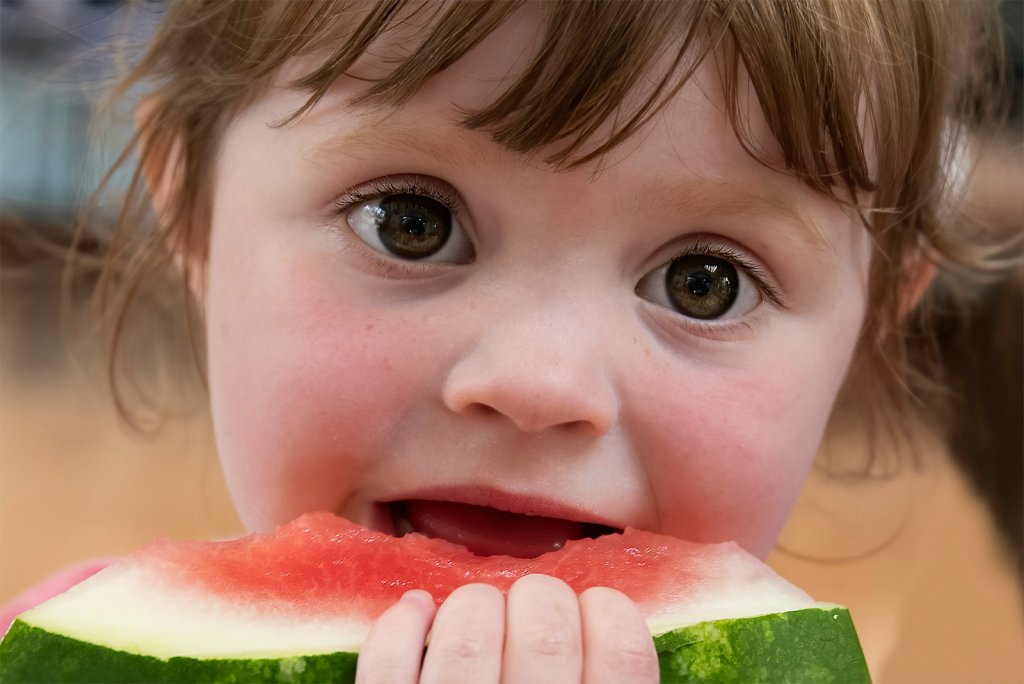
Open the pantry at 4 p.m. and watch what a hungry seven-year-old reaches for. Chances are it’s something crunchy, brightly packaged, and gone in four bites. That isn’t a parenting failure; it’s simply what’s easiest to grab. The good news is that healthy snacks for kids don’t need to be elaborate or picture-perfect. They need to be within reach, easy to eat, and built from foods that keep small bodies going until dinner. Here’s how to set that up without turning your kitchen into a project.
Why Snack Time Deserves More Credit
According to HealthyChildren.org, the American Academy of Pediatrics’ parent site, most children eat at least one snack a day, and many of the snacks kids typically reach for are less nutritious than a regular meal. Because children have small stomachs and appetites that swing from hour to hour, snacks can fill real gaps in their day. The same guidance points out that most kids don’t eat enough fruits and vegetables, which makes snack time a natural place to sneak more of them in.
A Simple Formula: Produce Plus a Partner
The easiest rule of thumb is to start with a fruit or vegetable and pair it with something that adds staying power. The AAP suggests combining produce with dairy or dairy alternatives, lean protein, or whole grains. A partner slows things down, so the snack tends to hold a child over longer than fruit alone. A few pairings from that guidance, plus some of our own:
- Grapes with cheese (cut grapes lengthwise for younger children)
- Celery or apple slices with peanut butter, if nut allergies aren’t a concern in your family
- A banana sandwich on whole-grain bread
- Raw vegetables and fruit with a yogurt dip or hummus
- Cheese sticks with a handful of berries
Whole-grain partners also bring fiber along for the ride, which supports steady digestion. If you’re curious how much fiber matters, our guide to fiber and gut health breaks it down in plain language. For toddlers and younger children, ask your pediatrician which shapes and sizes are safe, since round or hard foods can be choking hazards.
What to Limit, Without Banning Anything
The AAP page recommends limiting processed foods, which it describes as factory-made and often high in added sugar and salt while offering few nutrients. It also notes that children may get hungry sooner after eating them, which can create a cycle of constant grazing. That doesn’t mean a cookie at a birthday party is a problem. It means everyday snacks are a better place to invest your effort than special-occasion treats, and that reading labels for added sugar is a habit worth building. When a food is labeled “made for kids,” it isn’t automatically a better choice, so check the ingredients rather than the front of the package.
Make the Good Option the Easy Option
Willpower is a poor strategy for a seven-year-old, and honestly for most adults too. Setting up your space does more work than any lecture. A few ideas that tend to help:
- Keep staples on hand. The AAP encourages stocking healthy basics so good choices are always available.
- Use a snack shelf. Put washed fruit and pre-cut vegetables at kid height in the fridge, and let children pick between two options.
- Invite helpers. Kids who stir the hummus or arrange the plate are often more willing to try it.
- Talk about where food comes from. The AAP suggests discussing the farmers and growers behind what you eat, which can make an unfamiliar vegetable feel less mysterious.
If your child is a hesitant eater, our article on picky eating in toddlers shares gentle ways to offer new foods without pressure. And where kids eat matters too: snacks at the table tend to be more mindful than snacks eaten in front of a tablet, something we touch on in our guide to healthy screen time limits for kids.
Think About Timing
Many families find that a snack roughly two hours before a meal works well, giving kids a bridge to dinner without spoiling it. Constant nibbling all afternoon can dull appetite at mealtime, so a predictable rhythm often helps more than a strict rulebook. Every child is different, though, so follow your child’s hunger cues and your pediatrician’s advice rather than a fixed schedule.
FAQs
How many snacks should kids have each day?
There isn’t one number that fits every child. Most kids eat at least one snack daily, and younger or very active children often need more than older, less active ones. Watch for hunger and fullness cues, and ask your pediatrician if you’re unsure what suits your child’s age and growth.
Are fruit pouches and granola bars healthy snacks for kids?
They can be convenient, but they vary a lot. Many are processed and contain added sugar, so compare labels and treat them as backup options for busy days. Whole fruit, yogurt, cheese, or a nut-free spread on whole-grain toast usually offer more fiber and staying power.
What if my child refuses fruits and vegetables?
Keep offering them without pressure. Serving a small portion alongside a familiar dip or favorite food, and letting your child see you eat it too, can make new foods feel safer over time. Repeated, low-key exposure often works better than negotiating over a single bite.
Is it okay to give a snack right before dinner?
A small one is usually fine, especially if your child is truly hungry. Choose something light like cucumber slices or a few berries, and save heavier snacks for earlier in the afternoon so dinner still looks appealing.
Keep the Bar Low and the Fridge Stocked
You don’t need a perfect snack lineup. Pair a fruit or vegetable with a protein, dairy, or whole-grain partner, keep the options visible and easy, and save the sugary extras for occasions rather than every afternoon. Small, repeatable habits add up faster than occasional heroic efforts.
This is educational content, not medical advice. Consult your child’s pediatrician or a healthcare provider for personal guidance, especially about allergies, choking risks, or feeding concerns.


