
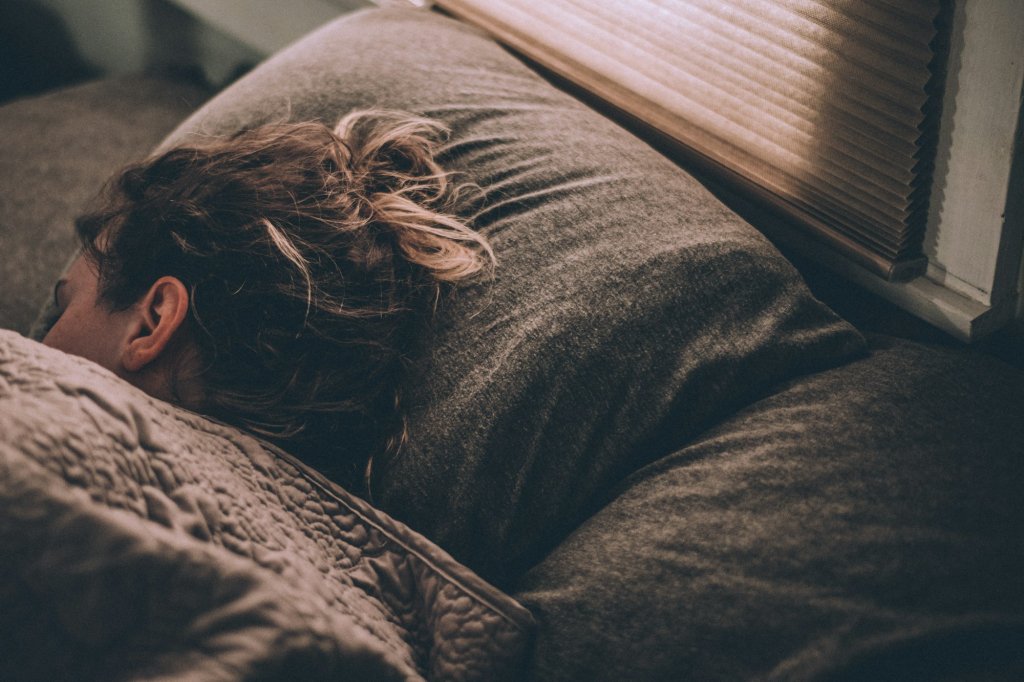
You did everything right yesterday — tracked your meals, hit your steps, skipped the second helping. Then a rough night’s sleep happens, and by 3 p.m. today you’re standing in front of the vending machine wanting anything sugary or fried, with a willpower reserve that feels emptier than usual. That’s not a character flaw. It’s biology. The link between sleep and weight loss is one of the more overlooked pieces of the puzzle, and it runs deeper than just feeling too tired to work out.
What Poor Sleep Actually Does to Appetite
Two hormones drive a lot of this: ghrelin, which signals hunger, and leptin, which signals fullness. According to the Sleep Foundation, sleep deprivation raises ghrelin and lowers leptin, which means a poorly rested body is simultaneously hungrier and less able to recognize when it’s had enough. On top of that, sleep loss increases activity in the brain regions that respond to food rewards, which is a large part of why cravings after a bad night tend to skew toward high-calorie, high-carbohydrate foods rather than a salad.
It’s Not Just Appetite — It’s Insulin, Too
Even a few nights of short sleep can reduce insulin sensitivity, meaning the body needs to produce more insulin to manage the same amount of blood sugar. Over time, that pattern is linked to increased fat storage and a higher risk of metabolic issues, independent of what or how much you’re eating. Sleep and weight loss are connected at this hormonal level well before any conscious food choice enters the picture.
The Quiet Energy Tax
The sleep and weight loss relationship isn’t limited to appetite and metabolism, either. Poor sleep also reduces what researchers call non-exercise activity thermogenesis — the calories burned through everyday movement like fidgeting, taking stairs, or walking around during the day. Tired bodies conserve energy by moving less without you consciously deciding to, and workouts that would normally feel manageable feel harder, which can quietly reduce overall activity across a week even if you still make it to the gym.
Building Sleep Habits That Actually Support Your Goals
Protect a Consistent Wake Time
The CDC recommends most adults get at least seven hours of sleep a night, but consistency matters nearly as much as total hours. Waking at roughly the same time daily, weekends included, stabilizes the hormonal rhythms that govern both sleep and appetite.
Watch the Late-Night Window
Eating close to bedtime doesn’t just risk disrupted sleep — being sleep-deprived the next day tends to increase evening snacking too, creating a cycle that’s hard to break from either direction. Building in a buffer of a couple of hours between your last meal and bed supports both better sleep and steadier appetite the next day.
Move Earlier When You Can
Regular exercise supports deeper sleep, but intense workouts too close to bedtime can do the opposite for some people. If evenings are your only window, gentler movement — a walk, light stretching — tends to be the safer choice for winding down rather than revving up. Our guide to sustainable weight loss habits covers how to build movement into a realistic week.
Manage the Stress That Steals Sleep
Chronic stress and short sleep frequently travel together, each making the other worse. If racing thoughts at bedtime are part of your pattern, our piece on the connection between stress, cortisol, and weight loss looks at that hormonal side in more depth — it’s a related but distinct mechanism from the sleep-appetite link described here.
Be Mindful, Not Just Tired, at Meals
On low-sleep days especially, slowing down at meals and checking in with actual hunger rather than eating on autopilot can help counteract some of the hormonal pull toward overeating. Our mindful eating guide has practical starting points if this doesn’t come naturally yet.
When Sleep Problems Need More Than Habit Changes
If you’re consistently getting seven or more hours in bed but still waking up exhausted, loud snoring, gasping during sleep, or persistent daytime fatigue despite adequate time in bed can point to an underlying issue like sleep apnea, which is worth discussing with a doctor rather than trying to out-diet.
This is educational content, not medical advice — consult a healthcare provider for guidance specific to your health and sleep patterns.
FAQs
How many hours of sleep actually make a difference for weight loss?
Most research on the sleep and weight loss connection compares sleep under six hours to seven or more, which lines up with general health guidelines. The exact number varies by person, but consistently dipping below six hours is where most of the appetite-hormone effects become most pronounced.
Can I make up for lost sleep on weekends?
Catching up somewhat can ease immediate fatigue, but it doesn’t fully reverse the metabolic effects of a week of short sleep, and the inconsistent schedule itself can work against the circadian stability that supports healthy appetite regulation. Consistent, adequate sleep most nights is more effective than alternating deprivation and recovery.
Does napping help offset poor nighttime sleep for weight management?
A short nap can reduce fatigue and may modestly help with next-day food choices, but it’s not a substitute for nighttime sleep’s deeper hormonal effects. Long or late naps can also make it harder to fall asleep that night, so keeping them brief and earlier in the day is generally the safer approach.
Is it the lack of sleep or the stress of not sleeping that causes weight gain?
Both play a role and often reinforce each other — the sleep loss itself disrupts ghrelin and leptin directly, while the frustration and stress of poor sleep can add cortisol into the mix as well. They’re related but separate mechanisms, which is why addressing both sleep habits and stress tends to work better than focusing on just one.
Rest Is Part of the Plan, Not a Reward for Finishing It
It’s easy to treat sleep as the thing you sacrifice when a schedule gets tight, especially compared to a workout or a meal that feels more directly tied to results. But the hormonal chain connecting sleep and weight loss means a late night can undo more progress than an extra workout can make up for. Protecting sleep is one of the more effective, and most overlooked, habits on the list.


