
Finishing the last pill in a course of antibiotics doesn’t mean your gut bounces right back to where it started. Antibiotics don’t distinguish between the bacteria causing your infection and the trillions of beneficial microbes that normally help you digest food, regulate immunity, and even influence mood — they knock down both. Supporting gut health after antibiotics is less about a quick fix and more about understanding what actually happened in there, and giving your microbiome the specific conditions it needs to rebuild.
What Antibiotics Actually Do to Your Gut
A widely cited study published in Nature Microbiology tracked healthy adults after a short course of common antibiotics and found that while most gut bacteria populations recovered within one to two months, several beneficial species hadn’t returned even six months later — in some participants, they were still undetectable at the study’s end. This kind of disruption is called dysbiosis: an imbalance in the gut’s bacterial community. According to Cleveland Clinic, dysbiosis can affect digestion, immune function, and nutrient absorption while the gut works to restore its usual diversity.
Why Recovery Time Varies So Much
Not every course of antibiotics affects the gut the same way. Broad-spectrum antibiotics, which target a wide range of bacteria rather than a specific type, tend to cause more disruption than a narrow-spectrum option chosen for a specific infection. Longer courses and repeated rounds within a short time period compound the effect, since the gut doesn’t get a full window to recover between them. Age, baseline diet, and how diverse your gut bacteria were before starting antibiotics all influence how quickly things bounce back too — which is part of why some people feel digestively “off” for a couple of weeks after a course, while others notice effects for months.
Natural Ways to Support Gut Health After Antibiotics
Add Fermented Foods Back In
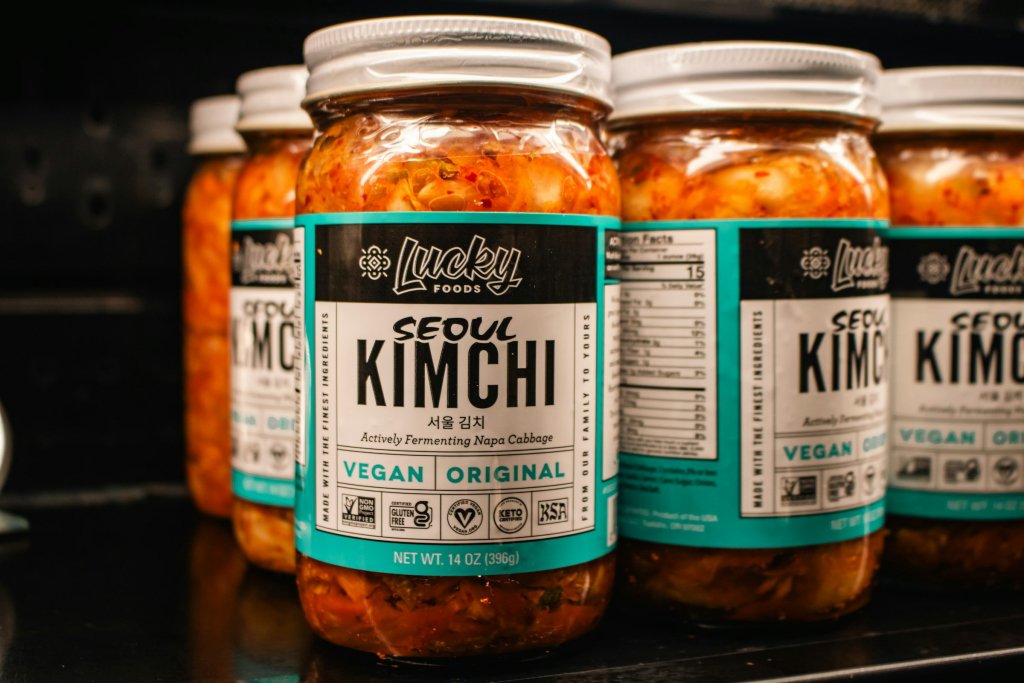
Yogurt with live cultures, kefir, sauerkraut, kimchi, and other fermented foods introduce live beneficial bacteria that can help repopulate your gut. Timing matters less than consistency here — regularly including a serving or two most days tends to matter more than any single “superfood” fermented product.
Feed the Bacteria You’re Trying to Rebuild
Fiber-rich foods — vegetables, whole grains, legumes, and fruit — act as prebiotics, essentially food for the beneficial bacteria you’re trying to restore. Without enough fiber, even a healthy dose of probiotics has less to work with once it reaches your gut. Our guide to fiber and gut health covers how much is actually reasonable to aim for, since ramping up too quickly can itself cause temporary bloating.
Consider a Targeted Probiotic — With Realistic Expectations
Probiotic supplements can help shorten the disruption window for some people, particularly when taken during and after a course of antibiotics rather than only afterward. That said, evidence for which specific strains help most is still evolving, and a probiotic isn’t a substitute for the food-based habits above — think of it as a potential accelerant, not the whole plan. Our broader piece on probiotics for gut health walks through what the research actually supports before you buy anything specific.
Space Probiotics Away From the Antibiotic Dose Itself
If you’re taking a probiotic supplement while still on antibiotics, spacing the two doses a couple of hours apart gives the probiotic bacteria a better chance of surviving before the antibiotic can affect them. This is a small logistical detail, but it’s an easy one to get wrong without knowing it matters.
Give It Real Time, Not Just a Few Days
Given that some gut bacteria populations took months to recover in research settings, expecting a full bounce-back within a week of finishing antibiotics isn’t realistic. Ongoing mild bloating or irregular digestion for several weeks afterward is common and usually resolves gradually with consistent, food-first habits rather than needing a dramatic intervention. If digestive symptoms feel disproportionately uncomfortable during this stretch, our guide to easing bloating naturally covers gentle steps worth trying in the meantime.
What Doesn’t Actually Help
A few popular “gut reset” habits don’t hold up well. Aggressive juice cleanses or restrictive detox diets right after a course of antibiotics can add stress to a gut that’s already working to rebuild, and there’s no solid evidence they speed up microbiome recovery. Megadosing probiotic supplements well beyond label recommendations isn’t shown to work faster than a standard dose either, and it can be an unnecessary expense. The more boring, consistent approach — fiber, fermented foods, and time — is genuinely the one with evidence behind it.
When to Check In With a Doctor
Some digestive symptoms after antibiotics warrant more than patience. Watery diarrhea that’s severe, persistent beyond a few days, or accompanied by fever or abdominal pain can occasionally signal a Clostridioides difficile (C. diff) infection, which needs medical treatment rather than a wait-and-see approach. This is uncommon but worth knowing about, particularly after a longer or repeated antibiotic course.
This is educational content, not medical advice — consult a healthcare provider if digestive symptoms are severe, persistent, or concerning after taking antibiotics.
FAQs
How long does it actually take for gut health to recover after antibiotics?
Research suggests most gut bacteria populations return to something close to their prior state within one to two months, though some beneficial species can remain reduced for six months or longer after a single course. Diet, the specific antibiotic used, and your baseline gut diversity all influence where you land within that range.
Should I take probiotics during antibiotics or wait until after?
Many clinicians suggest taking a probiotic during the course, spaced a couple of hours from your antibiotic dose, and continuing for a few weeks afterward. Waiting until you’ve finished isn’t wrong, but starting during the course may help reduce antibiotic-associated digestive symptoms while they’re happening.
Can food alone restore my gut bacteria, or do I need a supplement?
For many people, a consistent diet rich in fiber and fermented foods meaningfully supports recovery on its own. A supplement can help some people recover a bit faster or more comfortably, but it works best alongside those food-based habits, not as a replacement for them.
Is it normal to have bloating or irregular digestion for weeks after finishing antibiotics?
Yes, mild and gradually improving digestive changes for several weeks are common and consistent with what research shows about recovery timelines. If symptoms are severe, worsening, or include a high fever, that’s a different pattern worth mentioning to a doctor rather than assuming it will pass.
Patience, Fed With the Right Habits
Gut health after antibiotics isn’t something you can rush back into place with a single smoothie or a week of yogurt. It’s a gradual rebuild that responds best to the same unglamorous habits that support gut health generally — fiber, fermented foods, and consistency — given enough time to actually work. The gut that comes out the other side of a well-supported recovery is usually just as resilient as the one you started with.


