
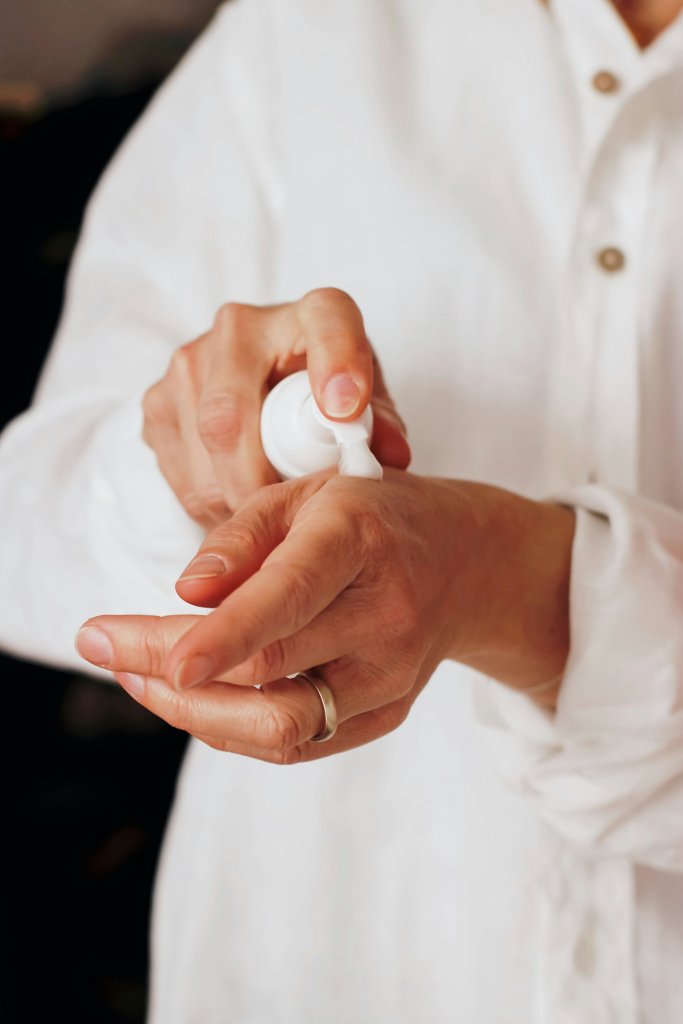
Your hands do more work than almost any other part of your body, and they get far less pampering than your face. They’re washed constantly, exposed to cold air, and rarely covered by sunscreen or a serious moisturizer. No wonder dry hands are among the first things to protest when the weather cools. The good news is that a handful of small adjustments can make a noticeable difference, and none of them require an elaborate routine.
Why Hands Dry Out So Easily
Skin on the hands has fewer oil glands than the skin on your face, so it holds on to moisture less readily. Add frequent washing, hot water, cold outdoor air, and dry indoor heating, and the skin’s protective outer layer gets worn down. If that sounds like what’s happening on your face too, our guide to skin barrier repair explains how that outer layer works and how to support it.
Habits That Help, According to Dermatologists
The American Academy of Dermatology offers practical, low-fuss guidance for dry skin. Several of its tips translate directly to hands.
Moisturize After Every Wash
The AAD recommends applying a cream or ointment several times a day, especially while skin is still damp after washing, and whenever it feels dry. It also suggests a non-greasy hand cream after each time you wash your hands. Keeping a small tube at the sink, in your bag, and on your nightstand removes the “I’ll do it later” problem.
Choose Creams and Ointments Over Thin Lotions
Thicker formulas tend to hold moisture better than watery lotions. Look for products that are fragrance-free, since the AAD advises steering clear of fragranced products, and stop using anything that stings or burns.
Wear Gloves for Wet Work and Cold Days
The AAD suggests wearing gloves when you wash dishes, garden, or spend long periods with your hands in water, and also in cold, dry weather. Soft cotton liners under rubber gloves can make dishwashing more comfortable.
Rethink How You Wash
Handwashing matters, so the goal isn’t to do it less. Instead, use a gentle cleanser, lukewarm rather than hot water, and pat your hands dry instead of rubbing. The AAD’s bathing advice points the same direction: keep water warm rather than hot, and avoid heavy lather.
Add Moisture to the Air
Dry indoor air pulls moisture from your skin. The AAD suggests using a humidifier at home and running a portable one in your bedroom at night. If you try this, clean the unit regularly to prevent mold.
An Easy Overnight Boost
Before bed, smooth a generous layer of ointment or thick cream over your hands, focusing on knuckles and cuticles, then slip on soft cotton gloves. It’s not glamorous, but it helps the product stay put while you sleep. For more seasonal swaps beyond your hands, see our post on seasonal skin care tips.
FAQs
Is hand sanitizer worse for dry hands than soap and water?
Frequent use of either can dry the skin. The AAD’s dry-skin guidance recommends avoiding alcohol-containing products, but notes an exception for hand sanitizer. If you rely on sanitizer, follow it with a hand cream once your hands are dry.
How often should I apply hand cream?
A good rule is after every hand wash and any time your skin feels tight or rough. Most people end up reapplying several times a day, which is what dermatologists generally suggest for dry skin.
Can drinking more water fix dry hands?
Staying hydrated supports your overall health, but water alone usually isn’t enough to relieve skin that’s drying out from the outside. Topical moisturizing and protecting the skin do most of the work. Our article on daily hydration habits covers what water can and can’t do.
When should I see a dermatologist about my hands?
The AAD advises seeing a board-certified dermatologist if dryness continues after you’ve tried these steps. Dry skin can sometimes be linked to conditions such as atopic dermatitis or psoriasis, so persistent redness, cracking, itching, or pain is worth having looked at.
Be Kind to the Hands That Do So Much
You don’t need a twelve-step routine. Pick two habits, such as cream after every wash and gloves for dishes, and stick with them for a couple of weeks. Most people notice their skin feeling softer before the cold really sets in.
This is educational content, not medical advice. Please consult a healthcare provider for personal guidance.


