
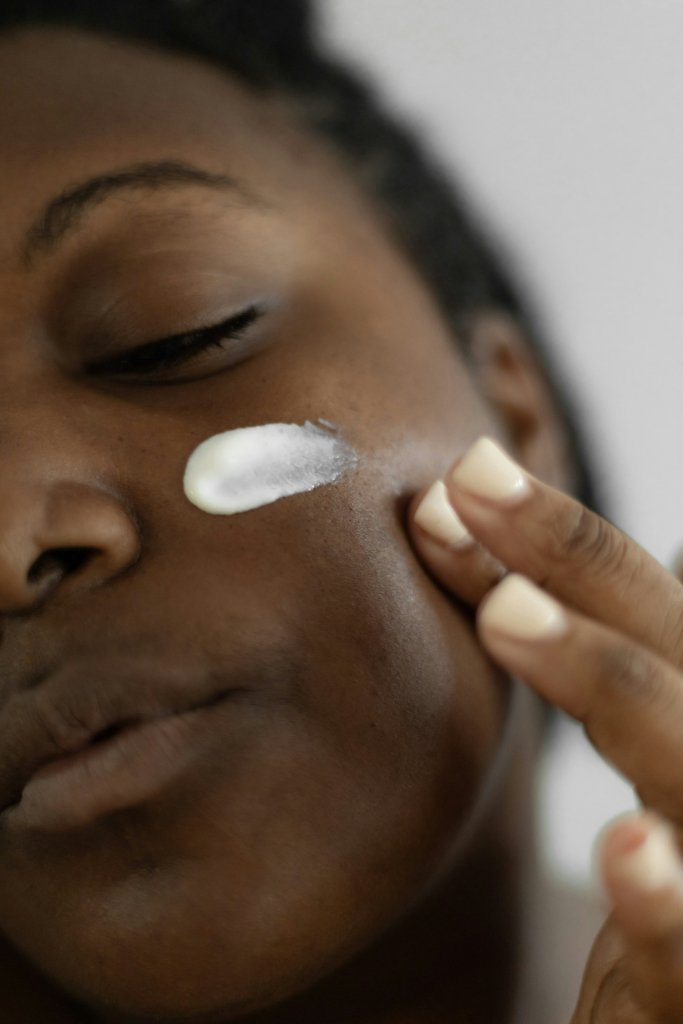
The same moisturizer that worked fine all summer suddenly isn’t cutting it. Skin that felt balanced in August starts feeling tight by mid-afternoon, foundation clings to dry patches it never used to notice, and a spot or two of unexpected flakiness shows up along the nose or cheeks. Nothing about your routine changed — but the air around you did, and seasonal skin care is really just a matter of catching up to that shift before it turns into weeks of discomfort.
What’s Actually Happening to Your Skin
As outdoor temperatures drop, humidity drops with them, and indoor heating dries the air further once furnaces and heaters kick on. Lower humidity pulls moisture out of skin faster than it can replace it, a process dermatologists call transepidermal water loss. According to the American Academy of Dermatology, cold, dry air combined with indoor heat is one of the most common triggers for winter-pattern dryness, itching, and flare-ups of conditions like eczema — and the shift often starts well before temperatures actually feel cold, as soon as indoor humidity begins falling.
Signs Your Routine Needs to Shift
A few early signals are worth watching for rather than waiting until skin feels genuinely uncomfortable: a moisturizer that absorbs faster than it used to (a sign skin is pulling in more), new tightness after washing your face, flaking around the nose, eyebrows, or hairline, and chapped lips or hands that weren’t an issue a few weeks earlier. None of these need a diagnosis — they’re simply skin telling you the environment has changed faster than your routine has.
Adjusting a Seasonal Skin Care Routine
Move to a Richer Moisturizer
A lightweight gel or lotion that felt right in humid summer air often isn’t enough once the air dries out. Cleveland Clinic recommends switching to a heavier, cream-based moisturizer with ingredients like ceramides or hyaluronic acid as the season turns, and applying it to slightly damp skin so it has more moisture to seal in. This is a genuinely different situation from a damaged skin barrier — here, skin is otherwise healthy but simply facing a drier environment, so the fix is usually a heavier product rather than a full routine reset.
Reconsider Your Cleanser
Foaming or sulfate-heavy cleansers that felt refreshing in summer can strip already-taxed skin further once the air turns dry. A gentle, non-foaming cleanser tends to leave more of skin’s natural oils in place, which matters more when the air isn’t replacing them the way summer humidity did.
Add Moisture to the Air, Not Just Your Face
Since so much of this dryness starts with the air itself, a humidifier in the bedroom can meaningfully soften the effect, particularly overnight when skin does much of its repair work. Cleveland Clinic notes that keeping indoor humidity in a moderate range can ease both dry skin and dry nasal passages that tend to show up together once heating systems kick on.
Don’t Drop Sun Protection
Cooler weather makes sunscreen feel less urgent, but UV exposure doesn’t take a season off, and our sun protection habits guide covers why year-round protection still matters even on cool or overcast days.
Don’t Forget Hands and Lips
Hands and lips have thinner skin and fewer oil glands, which is why they’re often the first places dryness shows up as the seasons shift. A thicker hand cream kept somewhere visible, and a plain, occlusive lip balm rather than a flavored one that encourages licking, both help close this gap.
Feed the Change From the Inside
Nothing about a seasonal shift changes what skin structurally needs to repair and maintain itself — healthy fats, adequate protein, and steady hydration still matter just as much. Our guide to nutrition for healthy skin covers the specific nutrients worth prioritizing if your diet has drifted along with the season.
When It’s More Than a Seasonal Adjustment
Ordinary seasonal dryness usually responds to these changes within one to two weeks. If skin remains red, cracked, intensely itchy, or painful despite a richer moisturizer and gentler cleanser, or if you notice signs that look more like eczema or another skin condition flaring, that’s a reasonable point to see a dermatologist rather than keep adjusting products on your own. Seasonal changes can also trigger or worsen an underlying condition that benefits from a tailored treatment plan.
This is educational content, not medical advice — consult a healthcare provider or dermatologist for guidance specific to your skin.
FAQs
How quickly should I switch my skin care routine when the weather changes?
There’s no need to wait for skin to feel uncomfortable first. Making the switch to a richer moisturizer and gentler cleanser as soon as you notice the season shifting — rather than after weeks of tightness or flaking — tends to prevent the more stubborn dryness that’s harder to reverse once it sets in.
Do I need completely different products, or just different amounts?
Often it’s a matter of degree rather than an entirely new routine — a heavier version of the same moisturizer type, or one extra layer at night, can be enough. A full product swap is usually only needed if your summer routine was quite lightweight to begin with.
Is it normal for acne-prone skin to get drier in cooler months?
Yes, and it can feel counterintuitive. Oily or acne-prone skin still loses moisture in low humidity, and skipping moisturizer to avoid feeling greasy often backfires by prompting skin to overproduce oil in response to the dryness. A lightweight, non-comedogenic moisturizer is usually still worth keeping in the routine.
Can indoor heating really make that much difference compared to outdoor cold?
Often more of a difference — forced-air heating can drop indoor humidity well below outdoor levels, which is part of why skin can feel drier at home in the evening than it did outside earlier in the day. A humidifier addresses this specific piece directly.
Should I stop exfoliating as the weather cools?
Not necessarily, but easing off frequency is often reasonable, since already-drier skin has less buffer against the temporary barrier disruption exfoliation causes. Reducing to once or twice a week, and watching for tightness afterward, is a reasonable middle ground rather than cutting it out entirely.
A Routine That Moves With the Season
Skin doesn’t stay the same all year, and treating a seasonal shift as a normal, predictable adjustment — rather than a mysterious new problem — makes it far easier to respond to early. A richer moisturizer, a gentler cleanser, and a little more moisture in the air usually cover most of what changes between a humid August and a dry December.


