
Probiotics tend to get the spotlight in gut health conversations, but they are only half of the story. Prebiotic foods are the other half: the fuel that helps the bacteria already living in your digestive tract do their job. The good news is that most of them are everyday ingredients you may already have in the kitchen.
Prebiotics vs. Probiotics in Plain Terms
According to Cleveland Clinic, probiotics are live bacteria and yeasts that have beneficial effects on your body, while prebiotics are a type of carbohydrate your body cannot digest that provides food for the good bacteria in your gut. A handy way to picture it: probiotics are the seeds, and prebiotics are the fertilizer.
If you want to know more about the “seed” side, our overview of probiotics for gut health covers fermented foods and supplements.
Everyday Prebiotic Foods to Look For
Cleveland Clinic lists several food groups that feed gut bacteria. You do not need all of them, and variety matters more than any single food.
- Fiber-rich plants: fruits, vegetables, and whole grains in general.
- Legumes: beans, lentils, and peas.
- Green, less-ripe bananas: a source of resistant starch, which also appears in cooked-and-cooled potatoes.
- Jerusalem artichokes: rich in a prebiotic fiber called inulin.
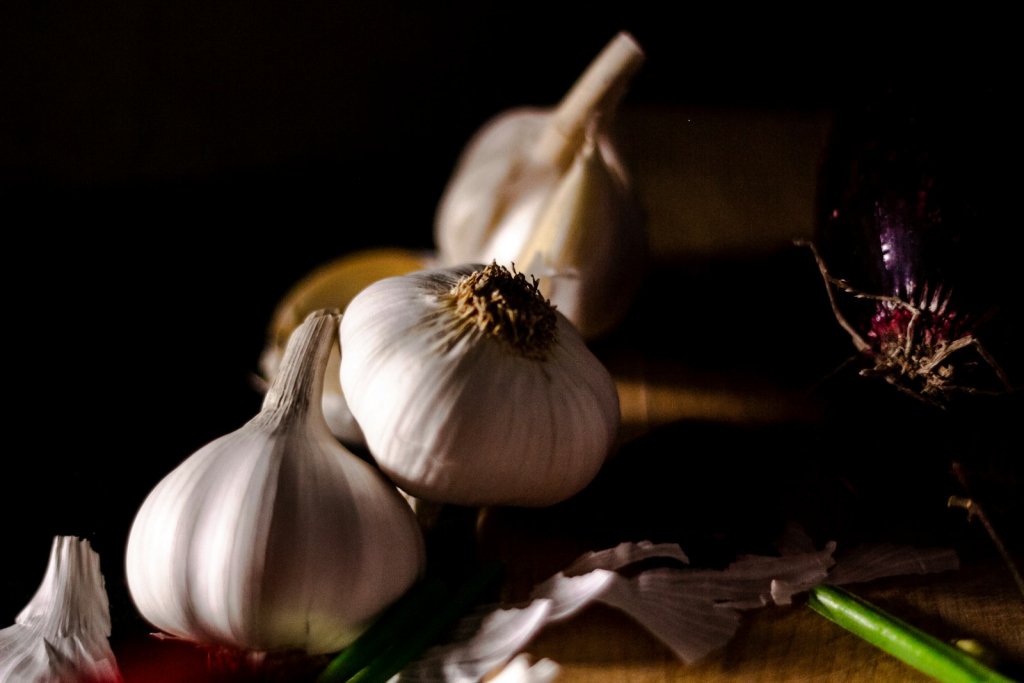
Onions, garlic, leeks, asparagus, and oats are also commonly mentioned as inulin- or fiber-containing foods, so they are reasonable additions to a prebiotic-friendly plate.
Easy Ways to Add Them
Swap Rather Than Pile On
Change what is already on your plate: oats instead of a sugary cereal, a handful of beans in a soup, or brown rice instead of white. Small swaps are easier to keep than a full menu overhaul.
Try the Cooked-and-Cooled Trick
Boiled potatoes or rice that have cooled, such as in a potato salad, develop more resistant starch. Cleveland Clinic notes that boiled-and-cooled potatoes have starch that is more resistant to digestion.
Eat the Colors
The clinic’s advice is that a more varied, colorful diet may be the key. Aim for several plant foods a day, and rotate them across the week instead of repeating the same two or three.
Go Slowly
If your usual meals are low in fiber, a sudden jump can bring gas and bloating. Add one new prebiotic food every few days, drink water alongside, and give your system time to adjust. If cramping persists, it may be worth talking with a provider or registered dietitian, especially if you live with a digestive condition. Our guide on easing bloating after meals has more gentle strategies.
FAQs
Do I need a prebiotic supplement?
For most people, no. Cleveland Clinic says you do not need prebiotic supplements if you eat foods that nourish friendly gut bacteria. If you are considering one, a provider or dietitian can help you decide whether it fits your situation.
How much fiber should I be aiming for?
Cleveland Clinic cites roughly 25 to 35 grams of fiber a day as what gut bacteria need, and notes many people fall short. Our fiber and gut health guide breaks down how to get there gradually.
Can prebiotic foods make bloating worse?
They can at first, because gut bacteria produce gas as they ferment fiber. Increasing intake slowly usually helps. If symptoms are strong or ongoing, check in with a healthcare provider rather than guessing.
Are prebiotics and probiotics better together?
They play different roles, and many people eat both naturally, for example yogurt with oats and fruit. There is no need to time them precisely; consistent variety across your meals is the practical goal.
One Meal at a Time
Feeding your gut bacteria does not require special products. A bowl of oat porridge, a lentil soup, a salad with onion and garlic: these ordinary meals already count. Pick one idea from this list for tomorrow and build from there.
This is educational content, not medical advice. Consult a healthcare provider for personal guidance.


