
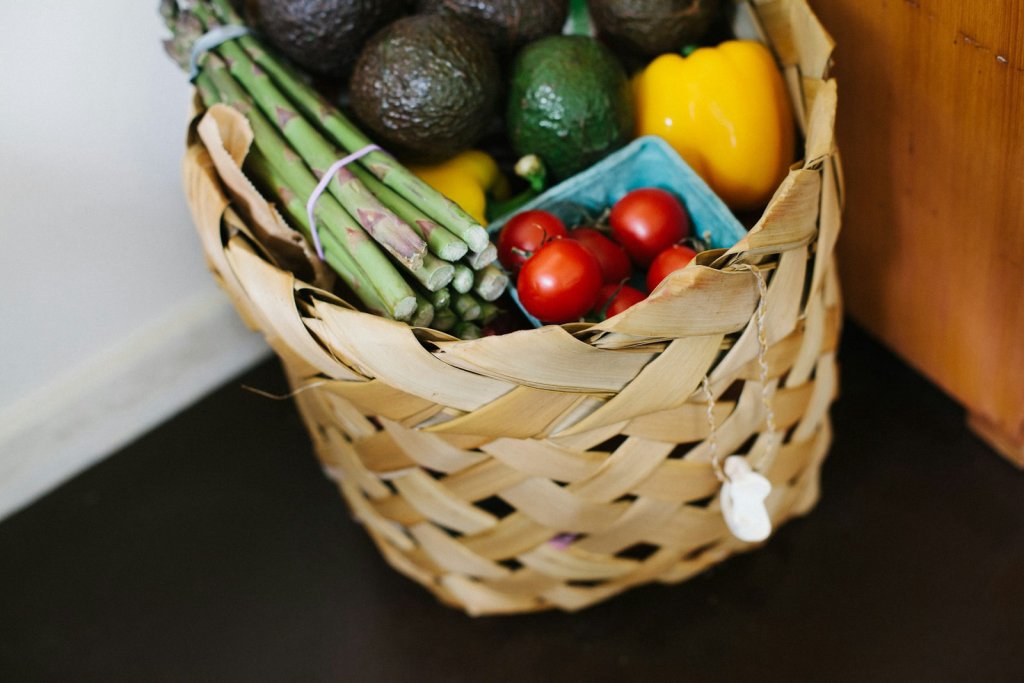
The Trip Starts at Home
Most healthy grocery shopping decisions are made before you reach the store. A quick look in the fridge, a rough idea of the week’s dinners, and a short list can do more for your eating habits than any willpower you bring through the doors. This guide covers a simple before, during, and after approach you can adapt to your own schedule and budget.
Before You Go
Plan Around a Few Anchor Meals
You do not need seven fully planned dinners. Pick three or four anchor meals, such as a sheet-pan dinner, a soup, and a grain bowl, and let leftovers cover the rest. The USDA’s MyPlate budget game plan describes cooking dishes ahead and saving extras for a second, effortless meal later, which is a good way to stretch both time and money.
Shop Your Own Kitchen First
Check what you already have so you do not buy a third jar of the same spice. Note what needs using up this week and build one meal around it.
Write the List by Category
Group items by produce, proteins, grains, dairy or alternatives, and pantry. A list in store-layout order also cuts down on wandering past the aisles you did not plan to visit.
In the Store
Start at the Edges, Then Venture In
Fresh produce, dairy, and proteins often line the perimeter, while staples such as whole grains, beans, and nuts live in the center aisles. Neither zone is good or bad. Aim to fill the cart with mostly whole or minimally processed foods, and treat packaged items as a supporting cast.
Read the Label for What Matters to You
A short ingredient list is a useful starting point. Compare similar products by fiber, added sugar, and sodium instead of trusting front-of-package claims such as “natural.”
Compare the Unit Price
The small per-ounce price on the shelf tag is the fair way to compare sizes and brands. Store brands are often equivalent to name brands for basics like oats, beans, and frozen vegetables.
Use Frozen and Canned Wisely
Frozen fruits and vegetables keep well and cut waste. When choosing canned beans or vegetables, rinsing them or looking for lower-sodium versions are easy tweaks.
After You Get Home
Ten minutes of prep can save the weeknight scramble. Wash and chop some vegetables, cook a pot of grains, and put the fruit where you will see it. Keeping a bowl of ready snacks at eye level makes the healthy option the easy one, which pairs well with the snack ideas parents can use for the whole household.
If your energy dips by mid-afternoon, a better-stocked kitchen can help too; our post on natural ways to boost energy shows how meals and habits fit together.
FAQs
Is organic food necessary for healthy eating?
No. Whether you buy organic or conventional, eating more fruits, vegetables, whole grains, and beans is what matters most for most people. Choose organic if it fits your budget and preferences, and do not let cost keep you from buying produce at all.
How do I keep fresh produce from going to waste?
Buy fewer perishables more often if you can, use the most delicate items such as berries and leafy greens first, and rely on frozen options for the end of the week. Planning one “use it up” meal also helps.
What should I always keep stocked?
A flexible pantry might include oats, brown rice or another whole grain, canned or dried beans, canned tomatoes, nuts, frozen vegetables, eggs or another protein you like, and a few seasonings. With those, you can assemble a meal even on a busy night.
Should I shop when hungry?
It is easier to stick with your list after eating. If that is not possible, bring a small snack, and keep the list handy as your guide.
A Cart That Matches Your Week
Good grocery habits are not about perfect carts. They are about having enough of what you need, a little of what you love, and a plan to use it. Try one change on your next trip, whether that is a list, a unit-price check, or a bag of frozen vegetables, and let it become routine before adding another.
This is educational content, not medical advice. Consult a healthcare provider or registered dietitian for personal guidance.


