
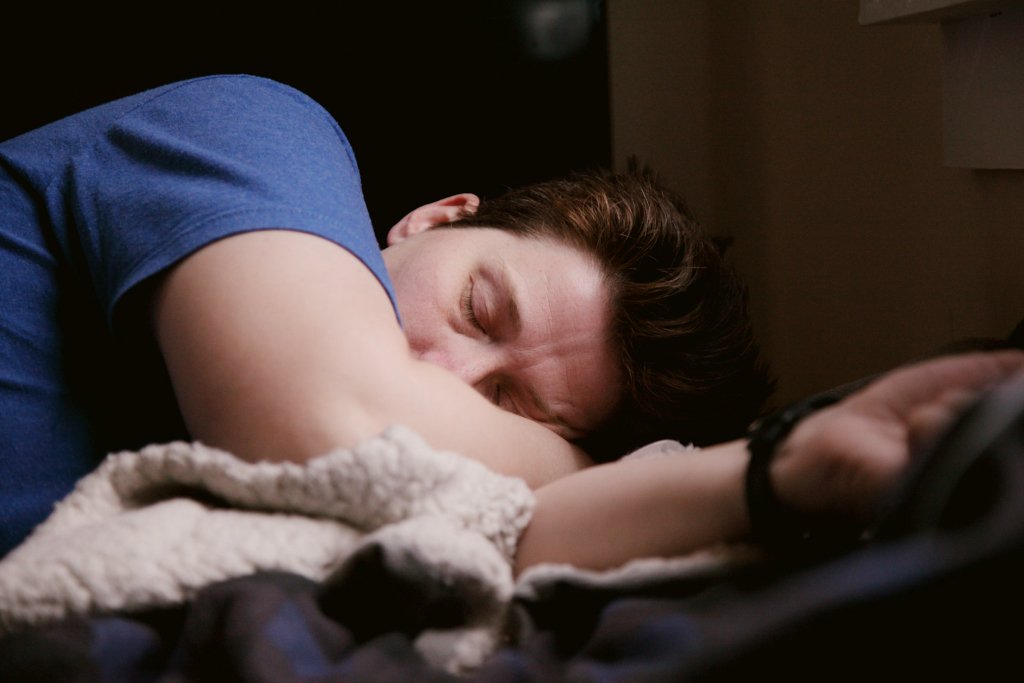
Five hours of sleep, three cups of coffee, and a full day of pushing through — for a lot of men, that’s just Tuesday, not a red flag. Sleep tends to get treated as the most negotiable part of a man’s routine, the first thing to go when work, workouts, or family life get demanding. But men’s sleep health isn’t a minor lifestyle detail; it’s tied directly to hormone levels, cardiovascular risk, and mood in ways that make chronic short sleep a lot more consequential than it feels in the moment.
Why Men Are Often the Last to Notice a Problem
Men’s sleep health carries a specific risk that doesn’t get talked about enough: obstructive sleep apnea. According to Sleep Foundation research on sleep differences between men and women, men are diagnosed with sleep apnea at meaningfully higher rates, partly tied to differences in fat distribution and airway anatomy. It’s also a condition men are less likely to recognize in themselves — loud snoring and daytime fatigue often get written off as “just how I sleep” rather than flagged as a treatable issue, which means the gap between having sleep apnea and actually getting diagnosed tends to be wider for men than it needs to be.
The Testosterone Connection
Sleep and testosterone are more tightly linked than most men expect. A study published in JAMA restricted healthy young men to five hours of sleep a night for one week and found testosterone levels dropped by 10 to 15 percent — a decline comparable to aging ten to fifteen years, compressed into a single week of short sleep. Most testosterone production happens during deep and REM sleep stages, so consistently cutting sleep short doesn’t just leave you tired; it’s actively working against the hormone levels a lot of men are trying to support through diet and exercise alone.
Sleep and Your Heart Are Talking to Each Other
Poor sleep doesn’t stay contained to how you feel the next day. Irregular sleep and chronic short sleep are associated with higher blood pressure and greater cardiovascular strain over time, which means sleep deserves a real place alongside diet and exercise in a heart-health routine, not an afterthought. Our guide to men’s heart health covers the fuller picture of how these everyday habits work together, and sleep is very much part of that same system rather than a separate concern.
Habits That Actually Support Men’s Sleep Health
Protect a Consistent Wake Time
A steady wake time, weekends included, does more for sleep quality than most people expect, since it anchors your body’s internal clock and makes falling asleep at a consistent bedtime easier over time. Wildly different sleep schedules on weekdays versus weekends work against this same rhythm, even if total sleep hours look similar on paper.
Watch Alcohol’s Effect on Sleep Quality
Alcohol can make you fall asleep faster but tends to fragment sleep later in the night, reducing the deep and REM stages where testosterone production and physical recovery happen most. Cutting back, particularly in the few hours before bed, is one of the more underrated ways to improve actual sleep quality rather than just time spent unconscious.
Build a Wind-Down Buffer
Screens, work email, and high-intensity exercise right before bed all keep your nervous system activated when it should be settling down. A 20 to 30 minute buffer of lower-stimulation activity — reading, stretching, a quiet conversation — gives your body a real chance to transition into sleep rather than trying to shut off instantly at lights-out.
Don’t Rely on Weekend “Catch-Up” Sleep
Sleeping in significantly on weekends to make up for short weeknight sleep doesn’t fully reverse the effects of a short week, and the resulting schedule swing can make Monday’s wake-up even harder. Consistent, adequate sleep most nights supports hormone and cardiovascular health more reliably than alternating between deprivation and recovery.
Address the Stress Feeding Your Sleep Problems
Stress and short sleep frequently reinforce each other — racing thoughts at bedtime lead to less sleep, which lowers your capacity to manage the next day’s stress. If this cycle feels familiar, our piece on men’s mental health looks at why stress often shows up differently for men and practical, low-pressure ways to start addressing it.
When to Bring It Up With a Doctor
Loud snoring, gasping or choking sounds during sleep, or persistent daytime exhaustion despite spending seven or more hours in bed are worth mentioning at your next checkup rather than accepting as normal. These can point to sleep apnea or another treatable sleep disorder, and getting evaluated is a legitimate, low-effort step — one worth folding into the same screening mindset covered in our guide to men’s health screenings by age.
This is educational content, not medical advice — consult a healthcare provider for guidance specific to your sleep, hormone, or heart health.
FAQs
How many hours of sleep do men actually need?
Most adult men need seven to nine hours a night, the same general range recommended for adults overall. What matters most for men’s sleep health specifically is consistency — hitting that range most nights rather than averaging it out with short weeknights and long weekend sleep-ins.
Can poor sleep alone cause low testosterone, or is it just one factor among many?
It’s one factor, but a meaningful one — the JAMA research on sleep restriction showed a measurable testosterone drop from short sleep alone, independent of diet or exercise changes. Sleep works alongside other habits like strength training and nutrition rather than replacing them.
Is snoring always a sign of sleep apnea?
No — snoring alone is common and often harmless, but snoring combined with gasping, choking sounds, witnessed pauses in breathing, or significant daytime fatigue is a different pattern worth a doctor’s evaluation, since those combined signs are more specifically associated with sleep apnea.
Does napping make up for poor nighttime sleep?
A short nap can reduce fatigue in the moment, but it doesn’t replace the deeper sleep stages tied to hormone production and cardiovascular recovery that happen mainly at night. Long or late-day naps can also make it harder to fall asleep that night, so keeping them brief and earlier in the day is the safer approach.
The Habit With an Outsized Return
Men’s sleep health rarely gets the same attention as diet or exercise, but the hormonal and cardiovascular stakes are genuinely comparable. Protecting a consistent seven to nine hours most nights, paying attention to alcohol’s effect on sleep quality, and taking snoring or persistent fatigue seriously enough to mention to a doctor are small, unglamorous habits with a return that’s easy to underestimate until you actually start sleeping better.


