
Muscle loss after 40 is one of those changes that arrives so gradually most men don’t notice it until a jar lid feels stubborn or stairs feel steeper. The process has a name, sarcopenia, and while it’s a normal part of aging, it isn’t a fixed sentence. What you do with your habits in your 40s, 50s, and beyond has a real influence on how strong and capable you feel for decades.
How Quickly Does Muscle Disappear?
According to Harvard Health, sarcopenia begins around age 35 and proceeds at roughly 1 to 2 percent a year for the typical person. After 60, the pace can climb to about 3 percent a year. Without regular strength training, adults can lose roughly 4 to 6 pounds of muscle per decade.
Harvard also points out something easy to miss: many people don’t see the number on the scale fall, which can mean muscle is quietly being replaced by fat. Your weight can stay steady while your body composition shifts, which is why strength and how clothes fit can tell you more than a bathroom scale.
Why It Matters Beyond Looks
Muscle supports balance, joint stability, metabolism, and everyday independence. Harvard Health notes that people with stronger muscles are less likely to fall and, when they do fall, less likely to be seriously injured. For men, that’s a quality-of-life issue as much as a fitness one, from carrying groceries to playing with grandchildren without a second thought.
What Helps, According to the Evidence
Lift Something Heavy Enough to Challenge You
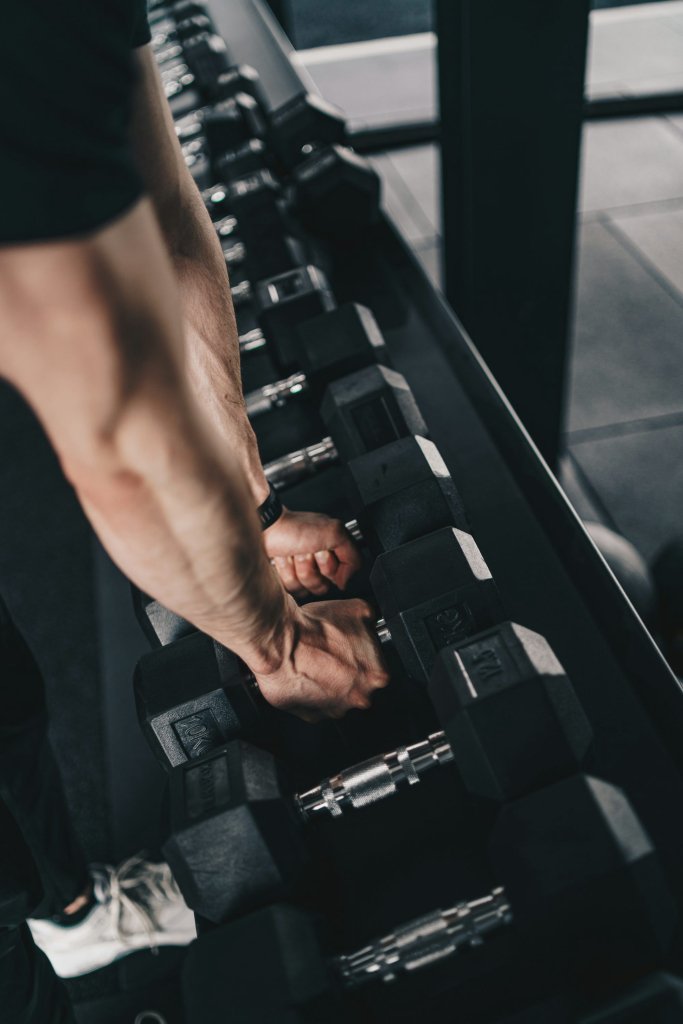
Harvard Health says strength and power training can help reverse age-related muscle decline and restore function. You don’t need a fancy gym. Dumbbells, resistance bands, and your own body weight in moves like squats, push-ups, and rows all count. Two to three sessions a week is a practical place to start, ideally with some guidance on form, particularly if you’re new to lifting or returning after a long break. Our guide on strength training for weight loss explains why muscle matters for metabolism and how to approach it sensibly.
Stay Consistent, Because Muscle Responds to Use
Another Harvard Health article describes a study in which older men who completed eight weeks of strength training lost about 25 percent of their muscle gains after stopping for just two weeks. That’s a reminder that regularity matters more than intensity. A modest routine you keep is better than an ambitious one you abandon.
Add Everyday Movement
Harvard also suggests complementing weights with activities like walking, swimming, cycling, and rowing. These support heart health and overall conditioning, and they’re easy to enjoy at any age. Variety also keeps joints happy and makes the routine harder to get bored of.
Support Training With Good Sleep
Recovery happens largely at night. Poor sleep can make workouts feel harder and may interfere with the hormones involved in repair. Our article on men’s sleep health looks at why rest matters so much and how to improve it.
Eat With Muscle in Mind
Harvard notes that rebuilding muscle often goes hand in hand with a nutrition plan that may include more protein and calories where appropriate. Exactly how much you need depends on your size, activity, kidney health, and goals, so a registered dietitian or your doctor can tailor it. Whole food sources such as eggs, fish, poultry, dairy, beans, and lentils are a sensible place to begin.
What About Testosterone?
Testosterone levels do drift down gradually with age, and that can influence muscle and energy. Still, lifestyle factors like training, sleep, and body composition play a large part in how you feel. If you’re curious about habits that support healthy levels, see our guide to natural testosterone support, and bring concerns about fatigue or low drive to a healthcare provider rather than self-diagnosing.
When to Get Checked Out
Gradual changes are normal. Rapid or unexplained weakness, significant unintentional weight loss, pain with exercise, or trouble with daily tasks deserve a medical conversation. Check with a doctor before starting a new strength program if you have heart disease, joint problems, or other chronic conditions, and consider working with a trainer or physical therapist to build a plan around your limits.
This is educational content, not medical advice. Consult a healthcare provider for personal guidance.
FAQs
Is it too late to build muscle if I’m already in my 50s or 60s?
No. Harvard Health says strength training can help reverse age-related muscle decline, and gains are possible at older ages. Starting gradually, focusing on good form, and building consistency are more important than starting early.
How often should I strength train after 40?
Many people do well with two to three sessions a week covering the major muscle groups, with a rest day between sessions. Your ideal schedule depends on your experience, recovery, and health, so adjust based on how you feel and on professional advice if needed.
Do I need supplements to keep my muscle?
Not necessarily. Training, adequate food, and good sleep are the foundation. If you’re considering protein powder or other supplements, talk to a healthcare provider or dietitian first, especially if you have kidney or other health conditions.
Is cardio enough to prevent muscle loss?
Cardio is great for your heart and stamina, but it generally doesn’t provide the resistance that muscle needs to maintain size and strength. A mix of both is the most balanced approach.
Will I lose everything if I take a break from training?
Some strength fades during long breaks, and Harvard’s cited study found a notable drop after two weeks off. The encouraging flip side is that returning to training can rebuild what was lost, so a break due to illness or travel isn’t the end of your progress.
Strength Is a Long Game
Nobody gets to skip aging, but you do get a say in how it feels. A couple of weekly strength sessions, steady daily movement, decent sleep, and thoughtful eating add up to a body that keeps doing what you need it to. Start small, stay consistent, and let the results compound.


